
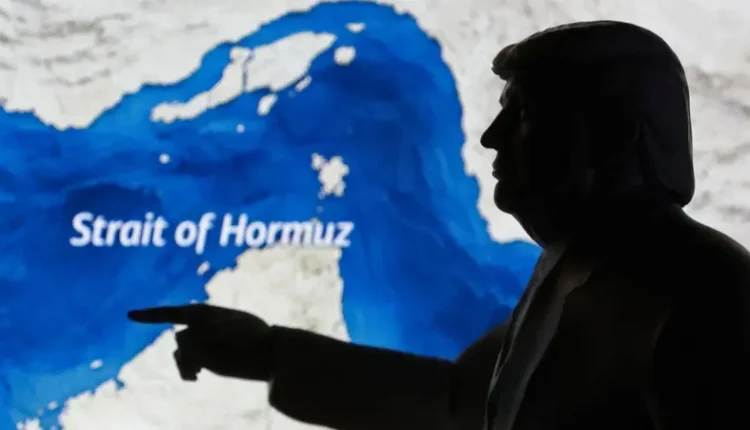
White House Rejects Iran’s Shipping Fees in Strait of Hormuz; Trump Seeks Deal Before April 6
The White House announced on Monday that the United States rejects any fees imposed by Iran on vessels transiting the Strait of Hormuz. The administration stated that it expects roughly 20 ships to pass through the strategic waterway in the coming days without obstacles, amid rising tensions between Washington and Tehran.
Trump’s Push for a Swift Agreement
The White House highlighted that President Donald Trump is striving to reach an agreement before the April 6 deadline to ensure the immediate reopening of the vital strait. Iran has effectively blocked the passage since the start of the Middle East conflict following Israeli and U.S. airstrikes on February 28, causing global fuel price spikes and direct impacts on the international economy.
Approximately one-fifth of global oil production and a significant volume of liquefied natural gas normally transit through this strategic corridor, making its closure highly consequential for worldwide energy markets.
Trump’s Stern Warning
In strong remarks, Trump threatened to target Kharg Island a key strategic location if Iran fails to reopen the strait. He stressed that ongoing negotiations are “serious” but must produce swift results.
Trump posted on his social platform Truth Social: “The United States is engaging in serious talks with a new and more rational Iranian leadership to end our military operations in Iran. We have made significant progress, but if a quick agreement is not reached and the Strait of Hormuz is not immediately reopened, we will eliminate our presence there by destroying all energy facilities, oil wells, Kharg Island, and possibly all water desalination plants.”
Global Implications
The closure of the Strait of Hormuz and threats of military action have raised concerns in international energy markets, with analysts warning of further price volatility. The situation underscores the strait’s critical role in global oil and gas supply chains and the high stakes involved in diplomatic negotiations.
Follow our daily updates for the latest developments in the Middle East and the situation at the Strait of Hormuz.