
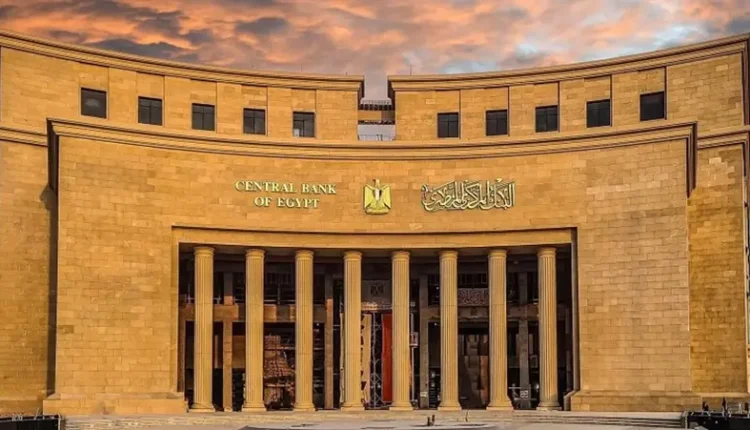
Egypt Holds Interest Rates Steady Amid Concerns Over Iran Conflict and Inflation
A recent Reuters poll, published on Monday, indicates that the Central Bank of Egypt is likely to maintain interest rates during its upcoming meeting on Thursday. The decision comes amid growing concerns over the potential impact of the U.S.-Israeli conflict with Iran on local inflation and the Egyptian economy. This cautious stance reflects the bank’s effort to strike a balance between supporting economic growth and controlling prices.
Reasons for Holding Interest Rates
The poll suggests that the Monetary Policy Committee will keep the deposit rate at 19% and the lending rate at 20%. Several factors influenced this decision, notably the surge in energy prices in Egypt following the outbreak of the conflict, which has significantly increased the country’s energy import bill. Other key revenue sources, such as tourism, Suez Canal transit fees, and remittances from Egyptians abroad, are also expected to be affected.
Daniel Richards from Emirates NBD stated: “Any further interest rate cuts are contingent on developments in the near term, and we do not believe it is the right time to raise rates until the impact of the Iran conflict on inflation becomes clearer.” This highlights the need for caution amid global economic uncertainties.
Inflation Trends and Price Levels
Annual consumer inflation in Egyptian cities rose to 13.4% in February, exceeding expectations, compared to 11.9% in the previous month. While lower than the peak of 38% recorded in September 2023, these numbers emphasize continued price pressures. Inflation data for March is expected by the end of next week, providing the bank with updated insights before making future policy decisions.
Ivan Burgara from the Institute of International Finance noted: “Strong inflation in February, rising fuel prices, and global uncertainties require the central bank to remain cautious and avoid rushing interest rate adjustments to maintain economic stability.”
Previous Central Bank Policies
Last April, the Central Bank began easing interest rates after raising the lending rate to 27.25% in March 2024, as part of an $8 billion financial support package in collaboration with the International Monetary Fund (IMF). The bank also adjusted the Egyptian pound’s exchange rate against the U.S. dollar to improve liquidity and ease economic pressures.
This measured easing allowed the bank to gradually manage monetary policy, aligning with broader economic objectives while responding to external challenges such as energy price fluctuations and regional conflicts, all while maintaining price stability and supporting economic growth.