
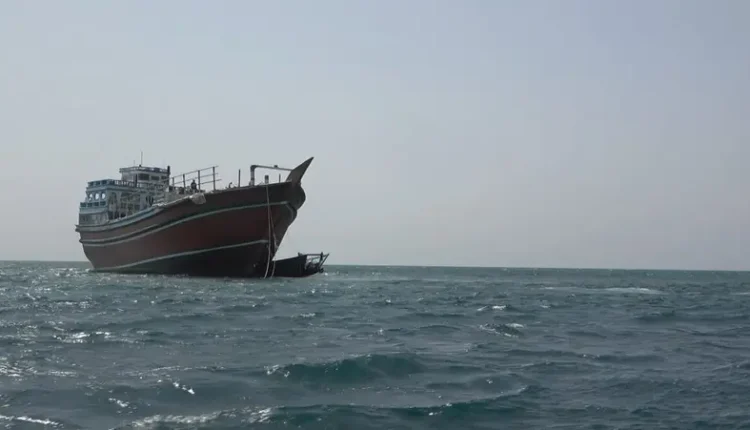
Europe Strengthens “EUNAVFOR MED ASMARIS” Mission After Houthi Threats to Bab al-Mandab Shipping
The European Commission announced on Monday an enhancement of the European naval mission “EUNAVFOR MED ASMARIS” following threats from the Houthis against maritime navigation in the Bab al Mandab Strait. This move comes amid rising regional risks to international shipping lanes, as tensions escalate between Iran and Western countries, potentially impacting global trade flows.
Houthi Escalation and Maritime Impact
The European mission urged vessels operating in the Red Sea and Gulf of Aden to exercise caution due to potential maritime attacks, following Houthi involvement in support of Iran. The ASMARIS statement warned that the Houthis might resume targeting commercial ships within their operational range, particularly in the Red Sea and eastern Gulf of Aden, increasing risks to maritime trade.
The statement emphasized: “All ships navigating these areas should exercise extreme caution and implement all necessary preventive measures to ensure crew and equipment safety.” The European mission reaffirmed its role in maritime security, freedom of navigation, and providing free monitoring and personal protection services for all vessels transiting the region.
Risk Assessment and Implications
The ASMARIS mission assessed that risk levels for commercial vessels in the Red Sea, Bab al-Mandab Strait, Gulf of Aden, and Arabian Sea are high for ships associated with Israel and the United States, while moderate for others. Any additional regional tensions could directly disrupt shipping and international trade, prompting the European Union to strengthen measures to protect these vital routes.
In light of these risks, the European Commission confirmed continuous monitoring of developments, providing support for transiting vessels, and enhancing maritime security to prevent potential attacks affecting global trade.
International Reactions and Calls for Protection
These developments follow repeated calls to reinforce protection of international shipping lanes and prevent attacks on commercial vessels in Bab al-Mandab, a key strategic waterway through which approximately 4 million barrels of oil pass daily. International reports warn that any disruptions here could push oil prices higher and threaten global economic stability.
Several European countries expressed full support for the naval mission, sending additional ships to safeguard commercial vessels and ensure their safe passage through the Red Sea and Gulf of Aden amid increasing Houthi threats and military escalation.
Impact of the Iran-Houthi Conflict on Maritime Security
The Houthis’ direct involvement in support of Iran complicates regional security and increases the likelihood of attacks on commercial shipping. Shipping experts warn that ongoing tensions may disrupt trade routes, delay cargo deliveries, and raise shipping costs, ultimately affecting global markets and energy prices.
Strengthening the ASMARIS mission is part of a broader European strategy to ensure safe maritime navigation, minimize negative impacts on the global economy, and closely monitor the conflict to enable rapid response to any potential attacks.
Strategic Importance of Bab al-Mandab and the Gulf of Aden
Bab al-Mandab is one of the world’s most strategic maritime chokepoints, connecting the Red Sea to the Gulf of Aden and the Indian Ocean. It serves as a crucial artery for global trade, particularly for oil, gas, and essential commodities. Any threat to navigation in this area can cause major market fluctuations and increase energy and raw material prices.
Consequently, European countries aim to ensure safe passage for commercial vessels and strengthen maritime capabilities to counter direct threats from the Houthis or other regional actors, guaranteeing uninterrupted international trade.