
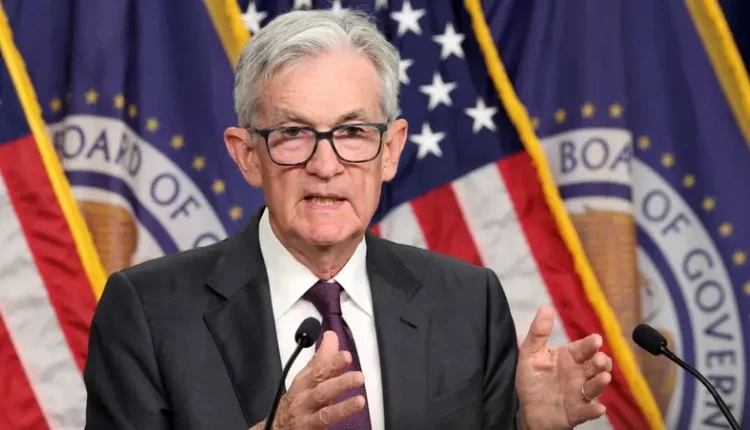
Powell: Fed Will Monitor Iran War’s Impact on Inflation and Economy
Federal Reserve Chair Jerome Powell affirmed that the U.S. central bank is prepared to adopt a wait-and-see approach regarding the unfolding crisis stemming from the Iran war before making policy decisions that could influence the economy and inflation. Powell emphasized that policymakers typically do not rush to react to sudden market shocks, such as abrupt spikes in oil prices.
Powell’s Remarks at Harvard University
Speaking at Harvard University, Powell stated: “We feel that our current policy allows us to wait and observe events to understand their future impact on the economy. Long-term inflation expectations remain largely stable.”
As the conflict enters its fifth week and gasoline prices in the U.S. rise to around $4 per gallon, the Federal Reserve faces potential pressure to balance two key objectives: achieving maximum employment while maintaining price stability.
Energy Sector Shock and Policy Caution
Powell also noted that “the energy sector is currently experiencing a significant shock, and the precise impact remains difficult to predict at this stage. We believe that our current policy positions us well to wait and carefully monitor developments.”
Recently, the U.S. central bank kept its overnight benchmark interest rate unchanged, setting the range between 3.50% and 3.75%, reflecting a cautious approach in response to current market volatility.
Looking Ahead
Market analysts and economists continue to track developments closely, weighing how sustained disruptions in global energy markets could affect U.S. inflation and economic growth. The Fed’s measured approach signals a readiness to adjust policy if conditions materially change, but for now, the focus remains on observing the evolving situation in the Middle East.
Stay updated with the latest U.S. economic and market news through our continuous coverage and expert analysis.