
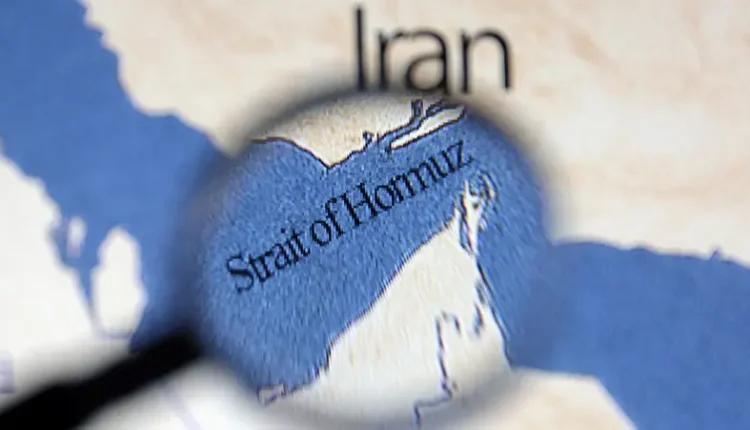
Two Chinese Container Ships Transit Strait of Hormuz for First Time Since Conflict Began
Shipping data revealed that two Chinese container ships successfully passed through the Strait of Hormuz on Monday, marking their second attempt to leave the Arabian Gulf since the outbreak of the U.S.-Israeli conflict with Iran on February 28. The vessels had previously turned back last Friday after an initial failed attempt.
Voyage Details and Security Measures
According to MarineTraffic, a ship tracking platform, the two vessels sailed in close formation into open waters. Their high speed suggests an effort to avoid security risks within the strait.
Rebecca Gerdes, a data analyst at Kpler, commented: “The ships succeeded on their second attempt today, becoming the first container vessels to leave the Gulf since the conflict began, excluding Iranian flagged ships.” She added that both ships are currently heading at high speed toward the Gulf of Oman.
Resumption of Cargo Operations
On March 25, Chinese shipping company COSCO announced the resumption of general cargo container bookings from Asia to Gulf countries, including the UAE, Saudi Arabia, Bahrain, Qatar, Kuwait, and Iraq, despite repeated Iranian threats to maritime navigation.
Ship tracking data also indicated that a Greek oil tanker carrying Saudi crude oil departed toward India, marking the third such voyage since the conflict began. Shipping companies have adopted various tactics to mitigate risks, such as turning off automated identification systems and sailing at night to avoid detection, amid threats from floating mines, missiles, and Iranian drones.
LNG Shipments to India Continue
Separately, two liquefied natural gas (LNG) carriers flying the Indian flag transited the strait, delivering essential LNG supplies to India. This comes amid near-total suspension of other energy exports, including Saudi crude oil and Qatari gas, since the start of the conflict.
Stay updated with the latest developments from the Strait of Hormuz, maritime navigation, and global energy markets through our daily coverage.