
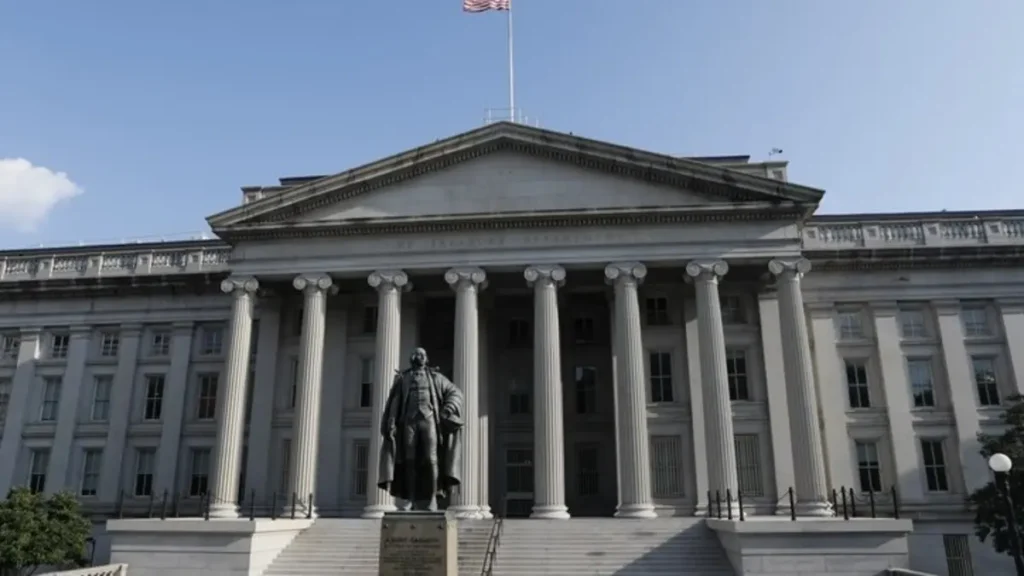
U.S. Treasury Strengthens Oversight of Private Lending Market Amid Liquidity Concerns
The U.S. Treasury Department is preparing a series of meetings with domestic and international regulators to address recent developments in the private lending market. This move comes amid growing concerns over liquidity, transparency, and discipline in the non bank lending sector, which is valued at approximately $2 trillion and represents a critical component of the U.S. financial system.
Recent Market Volatility
The past weeks have witnessed sharp fluctuations in private lending markets, as investor sentiment was affected by concerns over liquidity and leverage. Treasury officials stated that the upcoming meetings aim to review current oversight mechanisms, determine actual liquidity levels, and monitor leverage usage among lenders to ensure sector stability and protect investors from potential risks.
Role of Private Lending in the U.S. Economy
The private lending market is a fundamental pillar of the U.S. financial system, providing capital to companies and institutions outside traditional banking channels. It encompasses a variety of financing tools, including direct loans, asset based financing, and private funds, which support economic growth and fund new projects.
However, as liquidity volumes rise and reliance on leverage increases, significant risks emerge that could threaten market stability. Over lending or diminished repayment capacity during sudden economic shocks could destabilize the sector. Therefore, rigorous oversight is essential to prevent financial disruptions that could impact the broader U.S. economy.
Planned Regulatory Measures
The Treasury plans to conduct extensive consultations with financial regulatory agencies, including insurance regulators and bank supervisors, to review existing policies and identify necessary adjustments. Expected topics of discussion include:
- Assessing liquidity levels among private lenders.
- Reviewing leverage usage and its effect on market stability.
- Enhancing transparency and risk disclosure for investors.
- Proposing new regulatory policies to ensure financial discipline and prevent potential crises.
Officials stressed that any new policies will only be implemented after completing a thorough consultation process, ensuring alignment with market needs while protecting investors from liquidity and leverage risks.
Impact on Investors and Markets
Private lending remains a key source of returns for investors, especially amid low interest rates in traditional banking channels. Strengthened oversight and regulation are expected to boost investor confidence while reducing the likelihood of sudden financial collapses.
These measures will also improve market transparency, enabling investors to make informed decisions about their portfolios and mitigating the risk of financial crises similar to the 2008 global meltdown.
Treasury’s Strategic Objectives
Through these initiatives, the U.S. Treasury aims to reinforce oversight of the private lending market, ensuring the sector remains sustainable and secure over the long term. Key objectives include enhancing financial disclosure, identifying risks before they escalate, and implementing flexible policies that allow intervention when necessary.
This proactive approach is designed to protect the U.S. economy from potential shocks, especially amid global market volatility and rising financial risks across multiple sectors, including private credit markets. The move demonstrates the government’s commitment to maintaining financial stability, preserving investor confidence, and preventing crises that could threaten national economic security.