
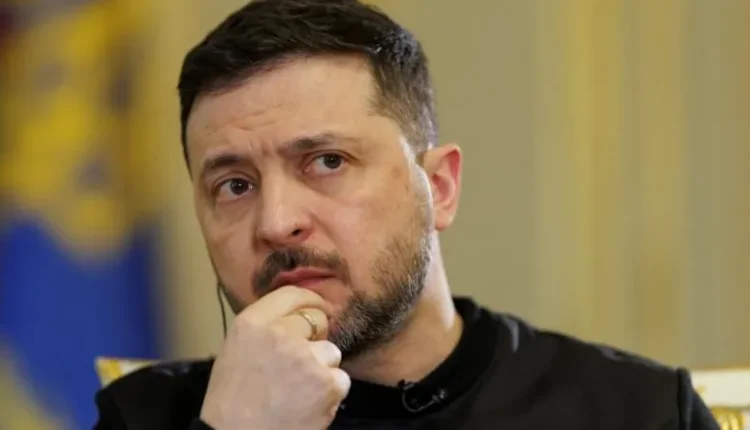
Zelensky Faces Pressure to Limit Strikes on Russian Energy Amid Global Fuel Crisis
Ukrainian President Volodymyr Zelensky has revealed that his country is facing increasing pressure from some of its allies to scale back attacks targeting Russian energy infrastructure. These calls come at a sensitive time as global fuel markets continue to experience sharp volatility and rising prices.
Global Energy Concerns Shape Military Decisions
Zelensky explained that these demands are linked to fears that continued strikes on Russia’s oil and gas facilities could further disrupt global energy supplies. Despite this pressure, the Ukrainian president أكد that Kyiv will not step back from such operations unless Russia first stops targeting Ukraine’s own energy infrastructure.
In a message shared with journalists, Zelensky stated that Ukraine is acting in self-defense. He emphasized that the country is responding proportionally to Russian attacks on its infrastructure, making it clear that Kyiv’s actions are not escalatory but rather a direct response to ongoing aggression.
Targeting Russia’s Energy Sector as a Strategic Move
Ukraine has increasingly focused on long-range strikes aimed at critical Russian energy facilities. These operations are part of a broader strategy designed to weaken Moscow’s ability to sustain its military campaign by limiting revenue from energy exports.
One of the most significant recent attacks targeted the Ust-Luga oil terminal near Saint Petersburg, a major hub for Russian oil exports. According to Zelensky, the strike disrupted approximately 60% of the port’s operational capacity, delivering a substantial blow to Russia’s energy sector.
Major Economies Likely Behind the Pressure
Although Zelensky did not name the countries calling for restraint, analysts believe that major global economies such as China and India may be among them. Both nations rely heavily on Russian oil imports, making them particularly vulnerable to supply disruptions.
The European Union is also significantly affected by developments in the energy sector. Despite ongoing efforts to diversify energy sources, many EU countries still depend on Russian natural gas, either through pipelines or liquefied natural gas (LNG) shipments.
Middle East Tensions Add to the Crisis
The global energy situation has been further complicated by rising tensions in the Middle East. Reports of conflict involving Iran and the closure of the strategically vital Strait of Hormuz have intensified pressure on global oil markets.
As one of the world’s most critical oil shipping routes, any disruption in the strait has immediate and far-reaching consequences. In response to rising prices, the United States has reportedly eased certain restrictions on Russian oil exports in an attempt to stabilize the market.
China and India Dominate Russian Oil Imports
Energy data indicates that China and India together account for nearly 85% of Russia’s oil exports. This heavy reliance makes both countries highly sensitive to any disruptions affecting Russian production or transportation.
Meanwhile, the European Union remains one of the largest importers of Russian gas, highlighting the continued global dependence on Moscow’s energy resources.
Ukraine Faces Severe Domestic Energy Challenges
On the domestic front, Ukraine has suffered significant damage to its energy infrastructure due to ongoing Russian attacks. Power plants, electricity grids, and heating systems have been repeatedly targeted, leading to widespread outages and humanitarian concerns.
As a result, Ukraine has been forced to rely heavily on fuel imports from European countries such as Poland, Greece, Lithuania, and Turkey. This dependency has added further strain to the country’s economy amid the ongoing war.
Tensions with European Partners
The energy crisis has also created friction between Ukraine and some European nations. Disputes over gas transit routes and delays in implementing financial agreements linked to the European Union have caused supply interruptions, including a halt in gas flows through Hungary.
Energy Infrastructure at the Heart of the Conflict
Energy facilities have become a central battleground in the war. Both sides are targeting critical infrastructure in an effort to weaken each other’s economic stability and military capabilities.
The humanitarian impact has been severe, with more than one million Ukrainians experiencing power and heating outages during the winter months. These disruptions highlight the devastating consequences of attacks on essential services.
Zelensky Strengthens International Cooperation
In a bid to enhance international support, Zelensky recently visited several Gulf countries, including Saudi Arabia, the United Arab Emirates, Qatar, and Jordan. During these visits, he presented Ukraine’s advancements in drone technology and sought additional assistance to strengthen air defense systems.
He confirmed that Ukraine currently has sufficient fuel supplies to meet its military needs but stressed the importance of securing additional resources in the future due to ongoing market instability.
A New Phase of the Conflict
The war between Russia and Ukraine appears to be entering a new phase, where energy resources are increasingly used as tools of strategic pressure. Attacks on oil facilities, gas pipelines, and power grids are shaping both military outcomes and global economic conditions.
As international efforts continue to contain the crisis, conflicting global interests remain a major obstacle. For now, the conflict remains deeply connected to the future of global energy markets.